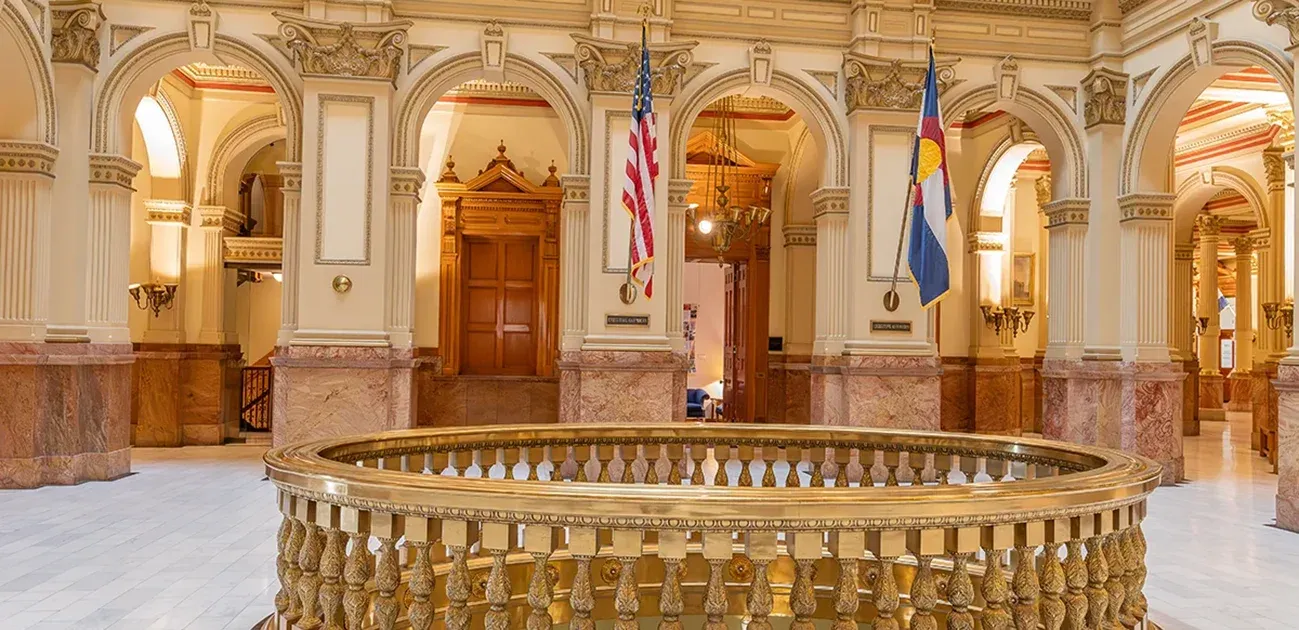
Every year around this time, electric cooperative leaders from around the state descend on downtown Denver to attend the annual meeting of the Colorado Rural Electric Association. The activities there are what you would expect at an annual meeting of a trade association: reports from officers, educational sessions, meetings of affiliated organizations, and presentations from guest speakers with their views on industry trends. But the real reason we are coming to Denver in the dead of winter is because of what’s happening just a few blocks away from our meeting venue, under the gold dome of the Colorado Capitol. That’s where the Colorado General Assembly convened on January 14.
CREA’s legislative team will have a full dance card this session, as we expect to engage on more than 40 bills. We will be working hard to preserve reliable and affordable electric energy for co-op members across the state. For example, we will work to ensure that transmission providers are not given a chance to escape their obligation to join a cost-saving Regional Transmission Organization or RTO. We will fight back against efforts to amend existing clean-energy statutes that could increase costs for many co-op consumers.
We are entering a challenging legislative environment. Several high-profile issues affecting electric co-ops are drawing significant attention at the Capitol, and many well-organized special interests are actively engaged in shaping the outcome. At the same time, lawmakers are advancing initiatives that will have real impacts on members and the communities they serve.
In this environment, strong grassroots engagement is not optional; the voices of co-op leaders, employees, and members will be critical to ensuring lawmakers understand how these policies affect real people in real communities. When legislators hear directly from the folks they represent, it strengthens our ability to protect affordability, reliability, and local decision-making.
Grassroots engagement works best when it is driven locally and reinforced collectively. When co-op leaders activate their members, lawmakers listen. Today, Colorado’s electric co-ops are aligned around a common set of priorities, and that unity, paired with bipartisan interest at the Capitol, creates real opportunity. Change rarely happens overnight, but sustained engagement builds influence. Together we can shape outcomes that protect our members and the communities we serve. As the new executive director at CREA, I’m excited for the opportunity to lead this organization and build upon the unity of our communities and our co-op family.
Tom Walch is the executive director of the Colorado Rural Electric Association, the statewide organization supporting 21 electric distribution cooperatives and one generation and transmission cooperative.